What Is Roof Pitch and Why Does It Matter in Wet Climates?
When designing, replacing, or maintaining a home in Mackay, roof pitch is one of the most critical structural considerations. Roof pitch refers to the steepness or gradient of a roof's slope. It is typically expressed either as a ratio of vertical rise to horizontal run (such as 1:12) or in degrees of inclination from the horizontal plane. While roof pitch strongly influences the architectural style of a property, its primary engineering function is to facilitate effective drainage and protect the building envelope from severe weather conditions.
The Impact of Mackay's Tropical Climate on Roof Design
Mackay experiences a distinct subtropical climate characterised by heavy wet seasons, severe thunderstorms, and the threat of tropical low-pressure systems. During intense downpours, a massive volume of water hits roof sheets within minutes. If a roof does not possess adequate slope or properly designed drainage pathways, water clearance slows down significantly, drastically increasing the likelihood of structural leaks, mould growth, and premature material degradation.
In high-rainfall zones, gravity is the first line of defence. A roof with an appropriate pitch uses gravity to channel water into gutter systems and downpipes as rapidly as possible, preventing accumulation along laps, flashings, and fasteners.
Key Reasons Roof Pitch Is Crucial in Wet Climates
Selecting and maintaining the correct pitch provides vital safeguards against the specific environmental challenges faced by coastal and regional Queensland homes:
- Prevention of Water Ponding: Roofs with insufficient slope allow water to pool in flat sections or minor sheet deflections. Standing water accelerates the breakdown of protective coatings on metal roofing, leading to rust and corrosion, especially in salt-laden coastal atmospheres.
- Mitigation of Capillary Action: During slow drainage, water can travel backwards or sideways between sheet overlaps due to surface tension. A steeper pitch reduces contact time, preventing moisture from being drawn into ceiling cavities.
- Reduced Debris Accumulation: Fallen leaves, twigs, and organic debris retain moisture and promote rust. Steeper slopes help shed debris naturally during rain events, keeping roof sheets clean and dry.
- Enhanced Flashings Performance: Flashings around skylights, parapets, and chimneys rely on gravity to divert water. Steeper gradients ensure water flows over flashings rather than seeping underneath them.
Minimum Pitch Requirements by Roofing Material
Every roofing material has a manufacturer-mandated minimum pitch requirement under the National Construction Code (NCC) and Australian Standards. Installing a profile below its designated threshold voids warranties and creates severe vulnerability to water ingress during peak storm events:

Corrugated Metal (Custom Orb)
Standard corrugated metal roofing requires a minimum pitch of 5 degrees (roughly a 1:12 fall). When installed below this angle, corrugated profiles struggle to handle the discharge rates of tropical deluges, allowing water to overflow the profile ribs.
Concealed-Fix Decking (Klip-Lok and Monoclad)
Modern concealed-fix profiles can accommodate shallow pitches down to 1 to 2 degrees. These profiles feature deep pans and raised ribs designed to move high volumes of water without penetrations through the sheet surface, making them popular for modern low-profile architectural designs across Queensland in 2026.

Concrete and Terracotta Tiles
Roof tiles require a significantly steeper gradient, typically starting at a minimum of 15 to 20 degrees, often requiring sarking or specialized underlayment below certain angles. Because tiled systems rely on overlapping individual units rather than continuous panels, wind-driven tropical rain can easily penetrate low-pitch tiled roofs.
Balancing Water Runoff and Cyclonic Wind Loads
In Mackay, roof design cannot solely prioritise water shed. The region is situated within a designated cyclonic wind category (Wind Region C), meaning roofs must also withstand intense upward lift forces. While a steeper pitch (such as 25 to 30 degrees) sheds water exceptionally fast, it also creates a larger sail area, capturing greater wind force during severe storm events.
Consequently, many residential builds strike a calculated balance, typically utilizing low-to-medium pitches between 10 and 22.5 degrees with robust metal cladding. This provides rapid drainage during deluge conditions while presenting a lower profile to cyclonic winds, reducing strain on batten screws, trusses, and tie-down brackets.
Signs Your Roof Pitch May Be Causing Water Problems
Property owners https://roofrestorationmackay.com.au should regularly monitor the performance of their roofing system, particularly before and during the wet season. Early identification of drainage failures prevents extensive interior water damage:
- Persistent watermarks, efflorescence, or rust stains along roofing sheet seams.
- Damp ceiling plasterboards or musty odours in the roof cavity following standard rain events.
- Standing water visible on the roof deck hours after precipitation has cleared.
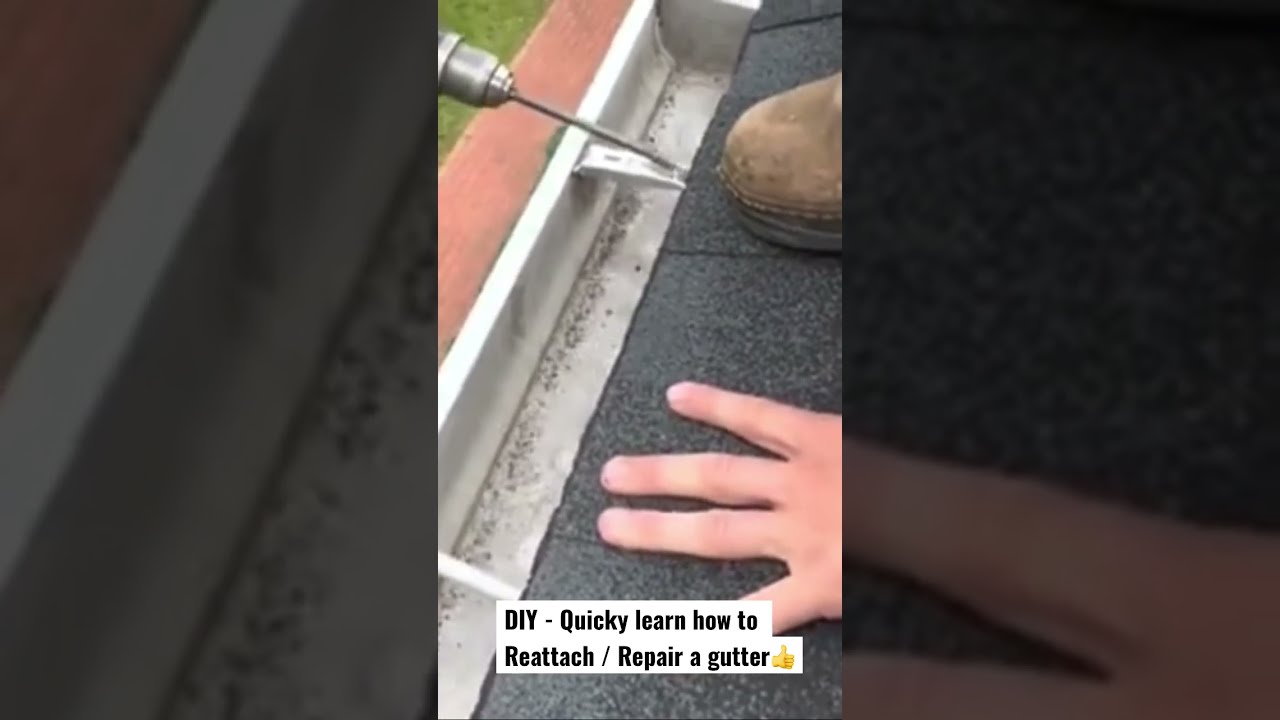
- Gutter overflowing caused by water cascading down a pitch that is too steep for the gutter profile or downpipe capacity.
- Premature fastener corrosion caused by water pooling around screw heads and washers.
Ensuring Weather Resilience in 2026 and Beyond
Achieving reliable weather protection requires matching the correct roof pitch to local rainfall intensities, wind categories, and material profiles. Property owners planning roof replacements or extensions in Mackay should ensure that all plans comply with current structural standards and manufacturer specifications. Working with qualified, local roofing specialists guarantees that both pitch and gutter configurations are engineered to withstand the demanding wet-weather realities of North Queensland.
Mackay Roof Restoration
(07) 4058 8488